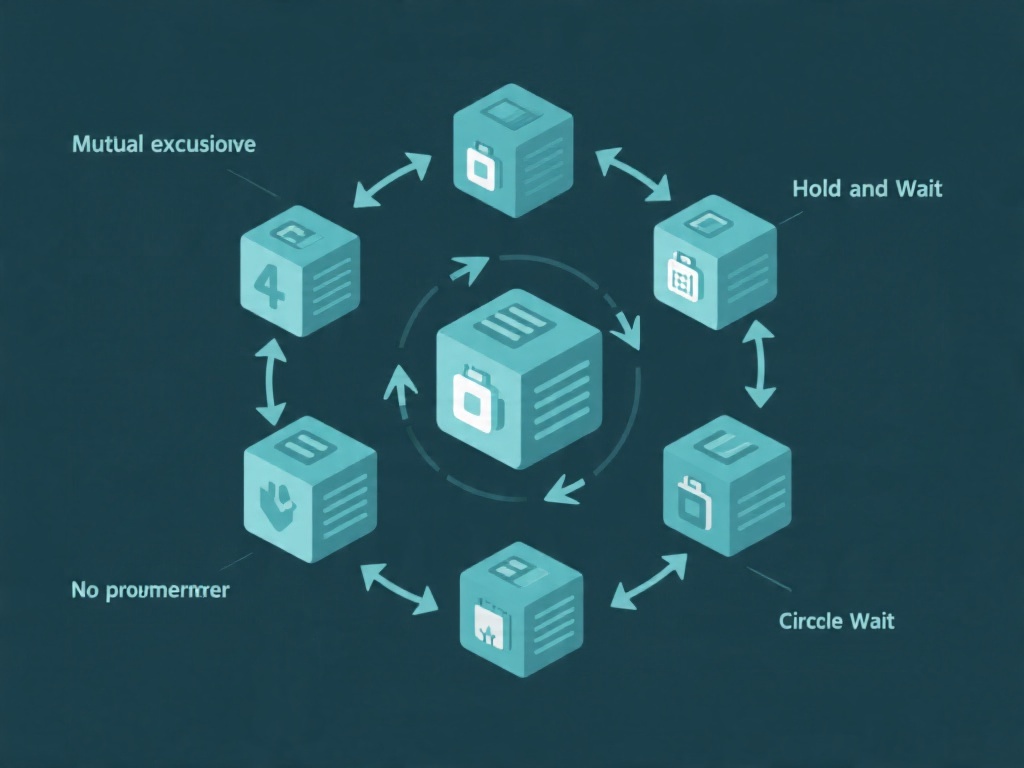
Deadlocks are a common challenge in computing systems, often leading to system unresponsiveness. Understanding how to manage deadlocks is crucial for maintaining system reliability. In this article, we'll explore the basics of deadlocks, their prevention, detection, and recovery techniques, and provide practical insights into avoiding and resolving deadlocks effectively.
What is a Deadlock?
A deadlock is a situation where two or more processes are unable to proceed because each is waiting for the other to release a resource. This can occur in various systems, from operating systems to databases, and can lead to system failure if not addressed promptly.
Deadlock Basics
Deadlocks occur when four conditions are met simultaneously: mutual exclusion, hold and wait, no preemption, and circular wait. Understanding these conditions is the first step in preventing and resolving deadlocks.
Deadlock in Operating Systems
In operating systems, deadlocks can occur due to resource allocation issues. To prevent deadlocks, operating systems can implement various techniques such as resource allocation graphs, bankers' algorithm, and deadlock detection and recovery algorithms.
Deadlock in Databases
Databases can also face deadlocks due to concurrent access to resources. Techniques like two-phase locking, optimistic concurrency control, and deadlock detection and resolution algorithms are used to prevent and resolve deadlocks in database management systems.
Deadlock Detection and Recovery Techniques
When a deadlock is detected, the system needs to recover from it. Techniques like process termination, resource preemption, and rollback are commonly used.
Case Studies
Real-world case studies illustrate the impact of deadlocks and the effectiveness of various prevention and recovery techniques. One notable example is the 2008 Windows Server Update Services (WSUS) deadlock, which was resolved through process termination and resource preemption.
In conclusion, deadlocks are a significant challenge in computing systems, but they can be effectively managed through a combination of prevention, detection, and recovery techniques. By understanding the basics of deadlocks and applying the right strategies, you can ensure the reliability and performance of your systems.