Understanding Deadlock: What It Is and Why It Matters
Deadlock is a situation in which two or more processes are unable to proceed because each is waiting for the other to release a resource. It's a common problem in operating systems, databases, and other systems where resources are shared. Understanding deadlock is the first step in preventing it.Deadlock Prevention Techniques: A Deep Dive
There are several techniques to prevent deadlocks. Here are some of the most effective ones:Applying Deadlock Prevention in Databases
Deadlocks can also occur in databases, especially in multi-user environments. Here's how to prevent deadlocks in databases:Case Studies: Real-World Deadlock Prevention
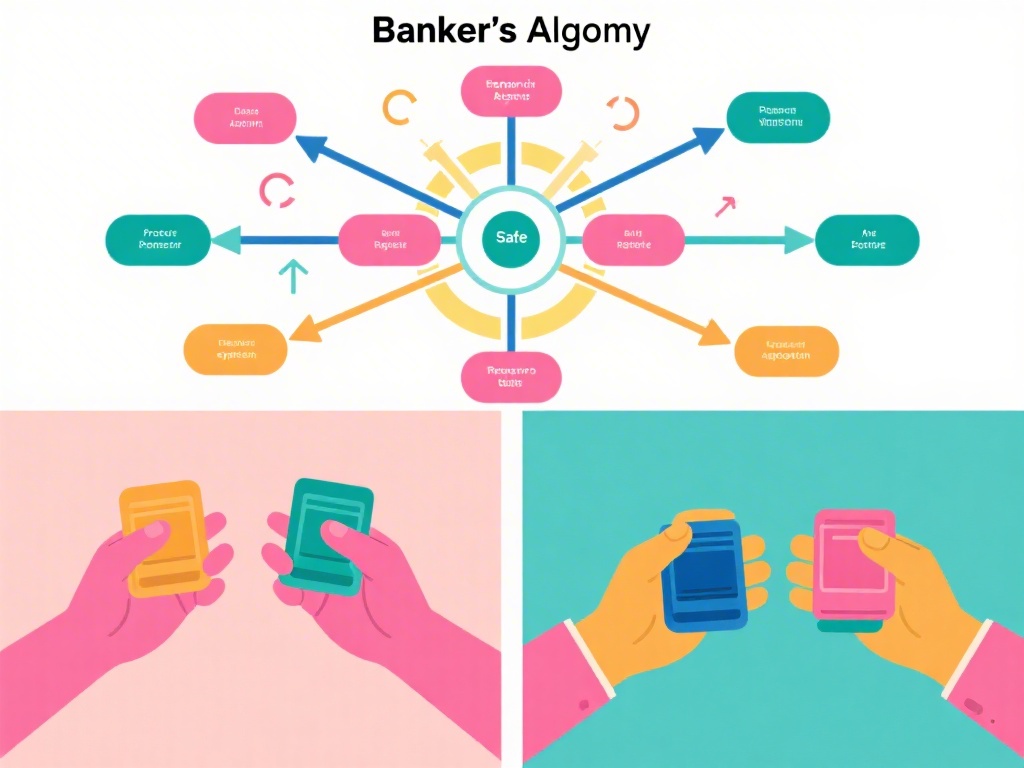
Several real-world case studies demonstrate effective deadlock prevention techniques. For example, a large e-commerce platform implemented the Banker's Algorithm to prevent deadlocks in its database, resulting in improved system performance and reliability.Conclusion: Keeping Deadlocks at Bay
Preventing deadlocks is crucial for maintaining system stability and performance. By understanding deadlock prevention techniques and applying them effectively, you can significantly reduce the risk of deadlocks in your systems.Deadlock is a complex issue, but with the right knowledge and techniques, you can manage it effectively. In this guide, we've explored various deadlock prevention methods, from resource allocation graphs to the Banker's Algorithm. By applying these techniques, you can ensure that your systems run smoothly and efficiently, free from the threat of deadlocks.