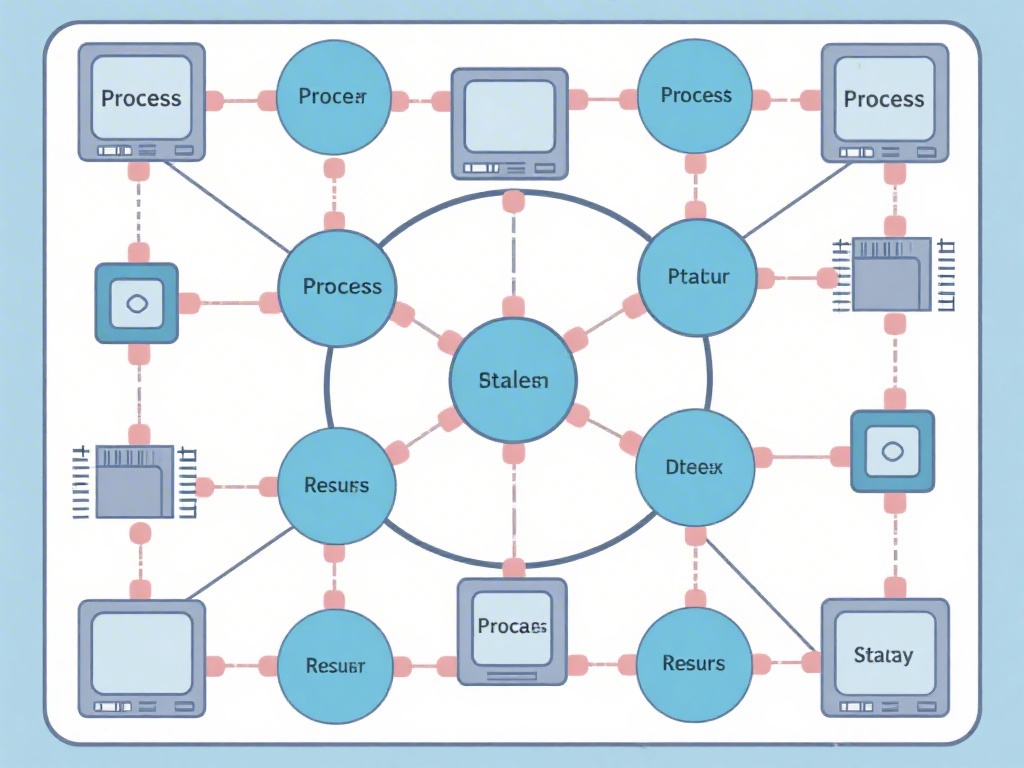
Are you interested in making modifications (mods) for deadlock scenarios? Deadlock, a common issue in operating systems and databases, can be complex to handle. However, with the right knowledge and tools, you can effectively make mods to prevent, detect, and recover from deadlocks. In this comprehensive guide, we will walk you through the process of making mods for deadlock.
Understanding Deadlock Basics
Before diving into the specifics of making mods for deadlock, it's essential to have a solid understanding of what deadlock is. Deadlock occurs when two or more processes are unable to proceed because each is waiting for the other to release a resource. To make effective mods, you need to know the different types of deadlocks, their causes, and their consequences.
Identifying Deadlock Scenarios
Identifying deadlock scenarios is the first step in making mods. You can use various techniques such as resource allocation graphs, wait-for graphs, and deadlock detection algorithms. Once you have identified a deadlock, you can proceed to make the necessary modifications.
Preventing Deadlock with Modding Techniques
Preventing deadlocks is the most effective way to handle them. You can implement various modding techniques such as resource ordering, resource allocation strategies, and deadlock avoidance algorithms. Here are some popular techniques:
Detecting and Recovering from Deadlocks
Even with prevention techniques, deadlocks can still occur. In such cases, you need to detect and recover from deadlocks. Here are some detection and recovery methods:
Case Studies and Best Practices
Studying real-world case studies can provide valuable insights into making mods for deadlock. Some best practices include:
In conclusion, making mods for deadlock requires a thorough understanding of deadlock scenarios, prevention techniques, detection methods, and recovery strategies. By following the steps outlined in this guide, you can effectively manage deadlocks in your systems and databases.