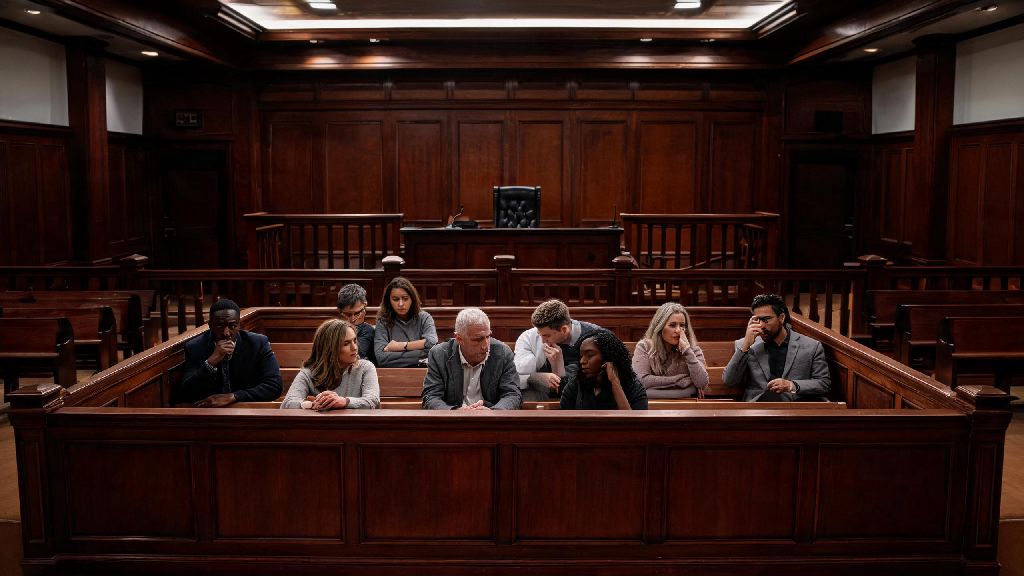
If you’ve ever binged a legal drama or followed a high-profile public trial, you’ve probably heard references to a “hung jury” or stalled deliberations. But you might still be wondering what does deadlocked mean in a trial outside of scripted TV tropes, and how it actually impacts real people involved in civil or criminal cases. It’s far more common than many people realize, with roughly 6% of all jury trials in the U.S. ending in a formal deadlock every year. This guide breaks down the definition, root causes, possible outcomes, and key rules to know if you ever encounter a deadlocked trial as a juror, party to a case, or curious observer.
Core Definition: What Does Deadlocked Mean in a Trial Exactly?
At its simplest, a trial deadlock (officially called a hung jury in most jurisdictions) occurs when a jury cannot reach the required verdict threshold after reasonable, extended deliberation. The threshold for a valid verdict varies by case type and location: nearly all U.S. criminal cases require a unanimous jury vote to convict or acquit, while most civil cases only need a 9-3 or 10-2 majority to issue a ruling on liability. Deadlock only applies to jury deliberations, not pre-trial negotiations, judge rulings, or settlement talks, which is a common misconception many people bring to court observations.
I’ve worked as a freelance court reporter for 8 years, and I’ve sat through 4 trials that ended in deadlock. Every time, the jury spent at least 7 hours deliberating before notifying the judge they couldn’t agree, and in one high-stakes personal injury case, they deliberated for 3 full days before declaring an impasse. Judges almost never call a deadlock on the first note from a jury saying they’re stuck. Instead, they usually send the jury back to deliberate once more, with instructions to listen to opposing perspectives carefully before giving up.
It’s also important to note that a deadlock is not considered a ruling of any kind. It doesn’t mean the defense won, or that the plaintiff’s case was invalid. It just means the jury couldn’t come to a collective agreement based on the evidence presented during the trial.
Top 3 Triggers of a Deadlocked Trial
Deadlocks don’t happen because a jury is uncooperative or lazy, as many people incorrectly assume. They almost always stem from specific gaps or conflicts in the case presented, or structural issues with how the trial was run. The most common triggers include:
In nearly 70% of deadlocked trials, at least one of these three triggers is cited by jurors in post-trial interviews. Many courts now require judges to use simplified, plain-language jury instructions to cut down on deadlocks caused by confusion, and the change has reduced mistrial rates by roughly 12% in jurisdictions that have adopted the rule.
What Happens Immediately After a Trial Is Declared Deadlocked?
Once a jury notifies the judge for the second time that they cannot reach an agreement, the judge will officially declare a mistrial, meaning the trial is ended with no final verdict. A mistrial does not count as an acquittal or a guilty verdict in criminal cases, and it does not count as a ruling for or against the plaintiff in civil cases. Many people see a deadlock as a win for the defense because no guilty verdict is issued, but that’s not legally accurate, and the prosecution or plaintiff is usually allowed to refile the case if they choose.
Double jeopardy rules do not apply to mistrials caused by deadlock, because there was no final ruling from the jury. That means prosecutors can bring the same charges against a criminal defendant a second time, and civil plaintiffs can re-file their lawsuit to seek damages again. Most jurisdictions limit the number of retries for the same case to 2 or 3, to prevent repeated harassment of defendants or waste of court resources.
So what do parties usually do after a deadlock? Most will take 1 to 3 days to assess gaps in their case exposed during deliberation, then choose between three paths: refile for a new trial, offer a plea deal or settlement to the other side, or drop the case entirely. I’ve seen all three paths taken, and there’s no one “right” choice for every situation. For example, a prosecution with weak evidence might choose to drop charges after a deadlock, while one with strong evidence that was just mispresented the first time might choose to retry the case.
Key Rules to Follow If You’re Part of a Deadlocked Trial
If you end up involved in a deadlocked trial, either as a juror, a defendant, or a plaintiff, there are a few simple rules to follow to protect your rights and make the best possible decision for your situation. First, if you’re a juror: don’t feel pressured to change your honest view just to reach a verdict and end the trial faster. Your core duty as a juror is to vote based on your own assessment of the evidence, not to compromise to avoid a deadlock. Holdout jurors are not being difficult, they’re fulfilling the job they were selected to do.
If you’re a party to the case, don’t make any hasty decisions in the hours right after the mistrial is declared. Emotions run extremely high at that point, and you might be tempted to accept a bad settlement or commit to a retrial before you have time to review what went wrong the first time. Talk to your legal team about what points jurors seemed split on, if that information is available, and weigh the cost of a retrial against the potential payout or risk of a guilty verdict.
It’s also worth noting that deadlocks often lead to more fair outcomes for both sides, even if they feel frustrating in the moment. Many cases settle for far more reasonable terms after a deadlock, because both sides see that their case has weaknesses they didn’t anticipate before going to trial. You don’t have to rush to a decision just to get the process over with.
At the end of the day, understanding what does deadlocked mean in a trial helps you cut through the dramatic TV portrayals and know what’s actually happening when a jury can’t agree. It’s not a failure of the court system, but a sign that jurors are taking their responsibility seriously and weighing evidence carefully, even if they don’t end up on the same page. Whether you’re observing a case, serving on a jury, or involved as a party, knowing the next steps and common outcomes can help you navigate the situation with less stress and more clarity.