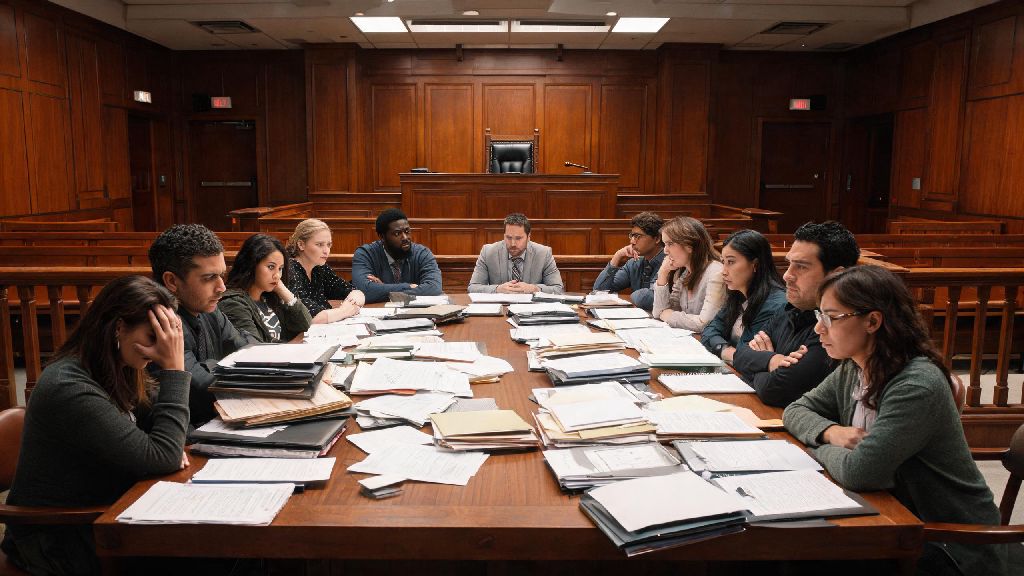
If you’ve ever binged a legal drama, you’ve probably seen the tense scene where a judge dismisses a jury after they announce they can’t agree on a verdict. That’s the moment most casual viewers first ask what is jury deadlock, and how it changes the trajectory of a case. What you see on TV is often exaggerated for drama, but jury deadlock is a very real, relatively common occurrence in courtrooms across common law countries, including the U.S., U.K., and Canada. This guide breaks down everything you need to know about the concept, no confusing legal jargon included, whether you’re following a high-profile case or preparing for possible jury duty.
What Is Jury Deadlock, and How Does It Happen?
At its core, jury deadlock (also widely called a hung jury) occurs when members of a trial jury cannot reach the required level of consensus on a verdict after extended, good-faith deliberation. The required threshold for a valid verdict varies widely by jurisdiction and case type. Most U.S. states require unanimous votes for guilty or not guilty verdicts in all felony criminal cases, while civil cases typically only need a ¾ or 9/12 majority to issue a ruling. A small number of states allow non-unanimous verdicts for low-level misdemeanor cases, which reduces deadlock rates, but many legal advocates argue these rules undermine the fairness of the jury system by silencing minority juror views.
Deadlock almost never happens right after deliberations start. Most juries spend anywhere from a few hours to several days going over evidence, re-watching recorded testimony, and asking judges for clarifications on jury instructions before they admit they can’t align. Common triggers include conflicting witness testimony that is impossible to verify, gaps in physical evidence, implicit personal biases among individual jurors, or unclear instructions from the judge that leave room for conflicting interpretations. I’ve sat in on two low-level civil trials as a court observer, and both times juries spent at least four hours working through small disagreements before they aligned, so it’s no surprise that even small gaps in evidence can push deliberations to a full deadlock.
Jury deadlock is never a failure of the jury system, even if it feels frustrating for everyone involved. In most cases, it’s a sign that jurors are taking their responsibility to weigh evidence seriously, instead of rushing to a verdict just to get home and back to their regular lives.
Key Impacts of a Jury Deadlock on All Parties Involved
A deadlock doesn’t just pause a trial – it has tangible, often stressful impacts for every person connected to the case, from the parties involved to the court system itself. For criminal defendants, a deadlock does not count as an acquittal, so you don’t walk away with a clear record unless prosecutors choose to drop charges. That means you could be left waiting months to find out if you’ll have to go through a second trial, with the weight of pending charges hanging over your ability to work, travel, or plan for the future. For civil plaintiffs, a deadlock means you won’t receive the compensation or ruling you requested immediately, and you’ll have to decide if you can afford the time and cost of a re-trial.
The impacts extend far beyond the core parties too. Witnesses who had to relive traumatic events to testify will be asked to do so all over again if the case is re-tried, which can take a huge toll on their mental health. For the court system, a deadlock means thousands of dollars in wasted resources, from juror pay and court staff time to administrative fees for processing trial evidence. Many jurisdictions report that 6-12% of all jury trials end in some level of deadlock before a final resolution is reached, so it’s far more common than most people who only follow high-profile media cases assume.
Even jurors themselves face negative impacts from deadlock. Many report feeling guilty or frustrated if they can’t reach a verdict, even if they did their best to participate fairly and listen to other jurors’ perspectives. Holdout jurors, in particular, often face social pressure from other members of the jury during deliberations that can leave them feeling stressed long after the trial is over.
What Happens Immediately After a Jury Reports Deadlock?
When a jury sends a note to the judge saying they cannot reach an agreement, the judge won’t immediately declare a mistrial. First, they will almost always issue what’s called an Allen charge (or “dynamite charge”) – a standardized set of instructions encouraging jurors to re-examine their positions, listen carefully to the arguments of members who disagree with them, and make a renewed good-faith effort to reach a verdict. Jurors will then send back to the deliberation room for several more hours, or even another full day, to see if they can close the gap. If they still report they are unable to agree after that second round of deliberations, the judge will officially declare a mistrial, and the jury will be dismissed.
Once a mistrial is declared, the parties involved have three main paths forward:
I’ve seen cases where a deadlock with 11 jurors voting guilty and 1 voting not guilty leads to a much more generous plea deal for the defendant, because prosecutors don’t want to risk a second deadlock or a full acquittal at a re-trial. That means even a single holdout juror can have a massive impact on the final outcome of a case. There is no legal limit to how many times a case can be re-tried after a deadlock, but most prosecutors won’t attempt more than two re-trials unless the charges are extremely serious, like murder or sexual assault.
Common Misconceptions About Jury Deadlock You Should Ignore
Because most people only learn about jury procedures from TV, there are a lot of widespread myths about deadlock that don’t match how the system works in real life. The biggest myth is that a deadlocked jury means the defendant is innocent, or that the prosecution did a bad job presenting their case. That’s not true at all. Sometimes a deadlock comes down to one single juror with a strong personal bias that won’t budge, even if the evidence against the defendant is overwhelming. Other times, it’s just a matter of small, unresolvable disagreements about how to interpret unclear witness testimony.
Another common myth is that holdout jurors get in trouble for refusing to change their vote. That’s the exact opposite of how the jury system is designed to work. Every juror has the right to vote their conscience based on how they interpreted the evidence presented in court, and they cannot be penalized for that vote, even if every other member of the jury disagrees with them. Some people also think that jurors have to explain their votes to the judge or the parties involved after a deadlock, but that’s not true either, unless there’s concrete evidence of jury tampering or misconduct during deliberations.
The last big myth is that deadlocks only happen in high-profile, celebrity trials that get nonstop media coverage. In reality, most deadlocks happen in small, low-stakes cases like misdemeanor theft, small claims civil suits, or traffic violation trials that never make the local news. If you are ever called for jury duty, you don't have to agree with the majority to do your job correctly – you just have to be able to explain your position based on the evidence presented in court, not outside information you found online or personal opinions unrelated to the case.
Most people only encounter the concept of a hung jury from fictional TV shows, so it’s normal to have questions about how it works in real courtrooms. Now that you understand what is jury deadlock, you’ll be able to follow trial updates more clearly, or know what to expect if you ever get called to serve on a jury yourself. The jury system isn’t perfect, but deadlocks are an important part of making sure no defendant gets convicted or held liable without sufficient agreement from a group of their peers. If you’re facing a trial or involved in a case that may end in deadlock, it’s always best to consult a local attorney who knows the specific verdict and mistrial rules for your jurisdiction.