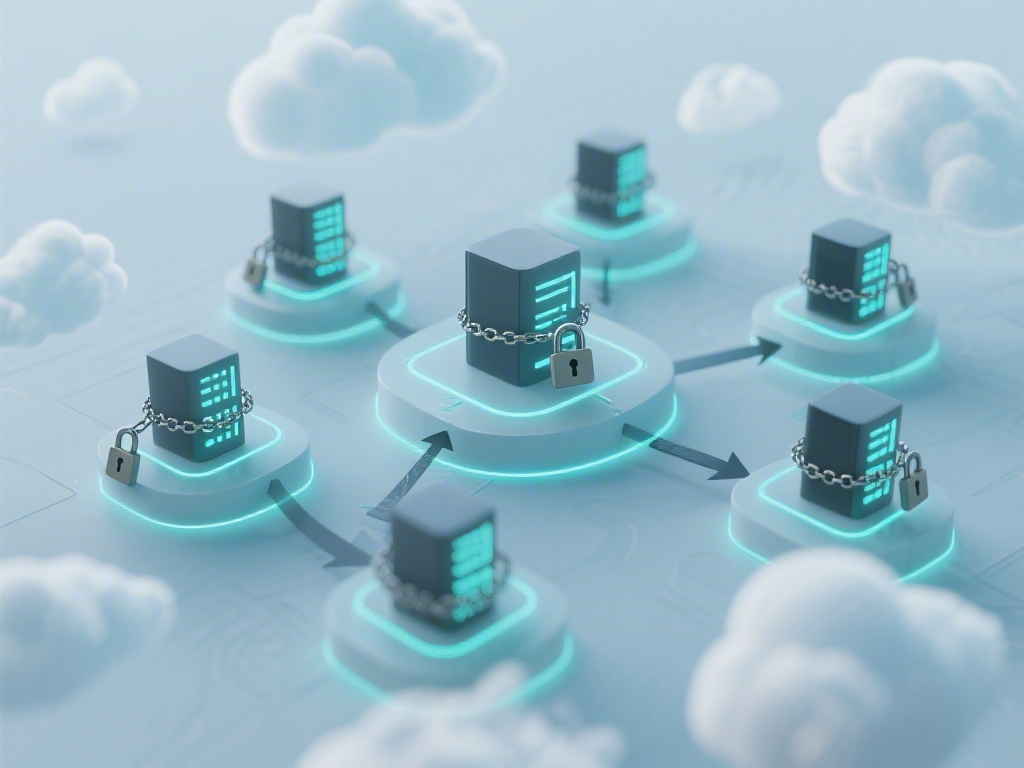
Understanding Deadlock in Cloud Computing
Deadlock, in the context of cloud computing, refers to a situation where two or more processes are unable to proceed because each is waiting for the other to release a resource. This can happen due to the nature of cloud environments, which often involve multiple virtual machines, distributed systems, and shared resources.
As a cloud architect, I've seen firsthand how deadlock can bring operations to a halt. It's a critical issue that needs to be addressed proactively to ensure the reliability and performance of cloud services.
Challenges of Deadlock in Cloud Computing
The challenges of deadlock in cloud computing are multifaceted. Here are some of the key issues:
1. Resource Sharing: In cloud environments, resources like CPU, memory, and storage are shared among multiple tenants. This sharing can lead to resource contention and, subsequently, deadlock.
2. Concurrency: The concurrent execution of multiple processes can make deadlock detection and resolution more complex. It's challenging to predict how processes will interact and which resources they will need.
3. Scalability: As cloud services scale, the likelihood of deadlock increases. The sheer volume of resources and processes involved can make it difficult to manage and prevent deadlock.
Mitigation Strategies for Deadlock in Cloud Computing
To tackle the challenges of deadlock in cloud computing, several mitigation strategies can be employed:
1. Resource Allocation Policies: Implementing fair and efficient resource allocation policies can help prevent deadlock. Techniques like resource preemption and priority-based allocation can be effective.
2. Deadlock Detection and Recovery: Regularly monitoring the system for deadlock signs is crucial. Once detected, the system should have mechanisms in place to recover from deadlock, such as rolling back transactions or killing processes.
3. Locking Protocols: Using proper locking protocols can reduce the chances of deadlock. For instance, the Banker's algorithm ensures safe resource allocation by considering the maximum resource needs of each process.
4. Database Techniques: In cloud databases, implementing techniques like lock timeouts and deadlock detection can help prevent and resolve deadlocks.
5. Case Studies: Analyzing past deadlock cases can provide valuable insights. By understanding common causes and patterns, you can better prepare for future incidents.
Personal Experience and Reflection
In one instance, I was working on a cloud-based application where multiple users were concurrently accessing shared resources. The application was experiencing frequent deadlocks, causing significant downtime. By implementing a combination of resource allocation policies and deadlock detection mechanisms, we were able to reduce the frequency of deadlocks and improve the overall performance of the application.
It's essential to remember that while mitigation strategies can significantly reduce the risk of deadlock, they can't eliminate it entirely. Continuous monitoring, proactive management, and regular updates to the system are key to maintaining a deadlock-free cloud environment.
In conclusion, deadlock in cloud computing is a complex challenge that requires a multi-faceted approach. By understanding the challenges, implementing effective mitigation strategies, and learning from past experiences, we can ensure that our cloud services remain reliable and performant.