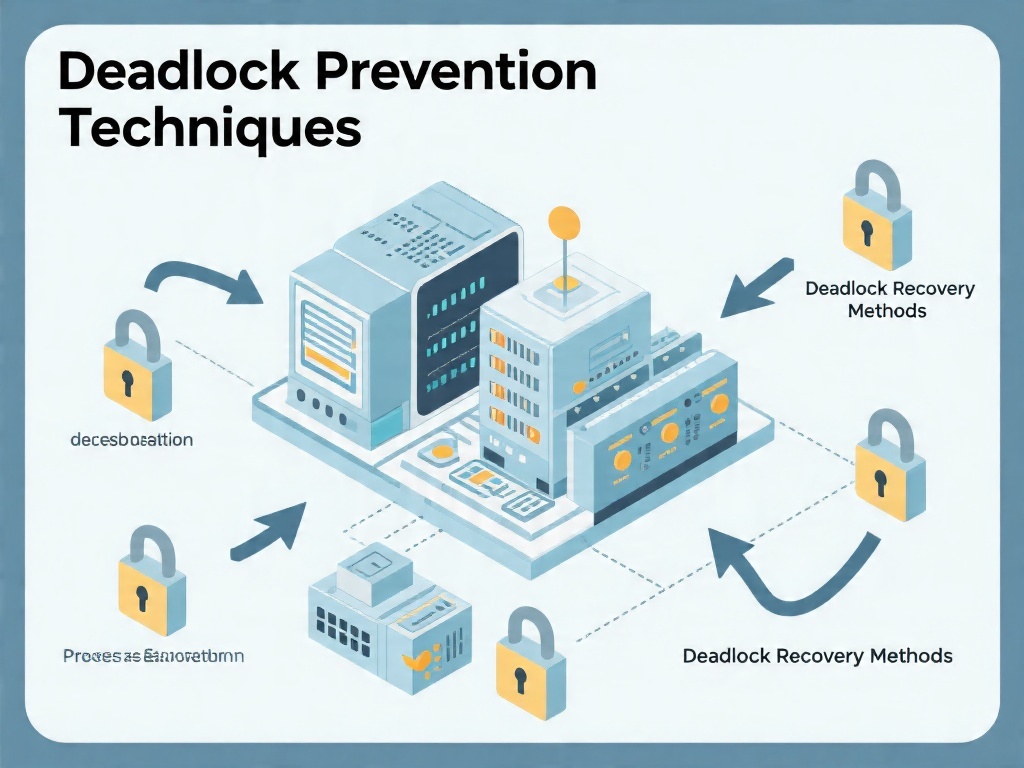
Deadlocks are a common issue in computing systems, particularly in operating systems and databases. Understanding how to invite deadlock can be crucial in preventing it. In this guide, we will explore the basics of deadlocks, their prevention techniques, and recovery methods.
Deadlock Basics
Before we dive into how to invite deadlock, it's important to understand what a deadlock is. A deadlock occurs when two or more processes are unable to proceed because each is waiting for the other to release a resource. This creates a situation where none of the processes can make progress, leading to a halt in the system's operation.
Deadlock in Operating Systems
In operating systems, deadlocks can arise due to resource contention. When multiple processes compete for the same resources, such as memory or CPU time, deadlocks can occur. To invite deadlock in an operating system, you can create a scenario where two or more processes are competing for the same resources without proper coordination.
Deadlock Detection and Recovery
Deadlock detection is a crucial component of managing deadlocks. It involves identifying the processes and resources involved in a deadlock and taking appropriate actions to recover from it. To invite deadlock, you can create a situation where the detection algorithms fail to identify the deadlock due to their limitations.
Deadlock Prevention Techniques
Preventing deadlocks involves implementing strategies that avoid the conditions necessary for a deadlock to occur. Here are some techniques you can use to invite deadlock intentionally:
Deadlock in Databases
In databases, deadlocks can occur when transactions compete for the same data resources. To invite deadlock in a database, you can create a situation where transactions are not properly managed, leading to resource contention.
Conclusion
Understanding how to invite deadlock can be a valuable exercise in learning about system stability and prevention techniques. By intentionally creating deadlocks, you can better appreciate the importance of implementing robust prevention and recovery strategies. Remember, while inviting deadlock can be a learning tool, avoiding deadlocks in real-world systems is paramount for maintaining system reliability and performance.