How to Throw 5 Pages as Paige Deadlock: A Comprehensive Guide
Introduction:
Are you struggling with managing deadlock scenarios in your systems or databases? Deadlocks can be complex to handle, but with the right approach, you can throw 5 pages as Paige Deadlock and maintain smooth operations. This guide will provide you with essential techniques and insights to prevent, detect, and recover from deadlocks, ensuring optimal system performance.
1. Understanding Deadlock Basics:
To effectively manage deadlocks, it's crucial to understand the basics. A deadlock occurs when two or more processes are unable to proceed because each is waiting for the other to release a resource. This creates a situation where none of the processes can progress, leading to a halt in system operations. Learn how to identify and categorize deadlocks in your system.
2. Deadlock in Operating Systems:
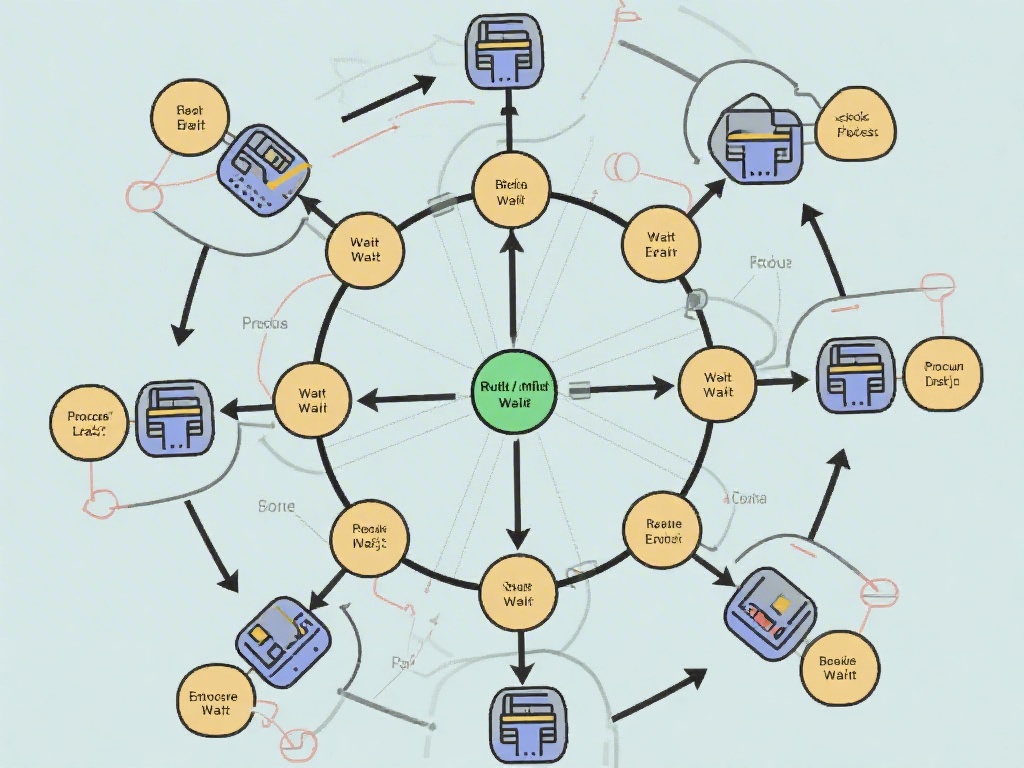
Operating systems are prone to deadlocks, as multiple processes compete for resources. In this section, we'll explore the various types of deadlocks that can occur in operating systems, such as the classic resource allocation graph deadlock. Discover how to identify and handle these deadlocks effectively.
3. Deadlock Detection and Recovery:
Deadlock detection is a critical aspect of managing deadlocks. In this section, we'll discuss different deadlock detection algorithms and their implementation. Additionally, we'll explore techniques for deadlock recovery, ensuring that your system can recover from deadlock situations without significant downtime.
4. Deadlock Prevention Techniques:
Preventing deadlocks is always better than dealing with them after they occur. In this section, we'll discuss various deadlock prevention techniques, including resource ordering, resource allocation strategies, and avoiding circular waits. Learn how to implement these techniques in your system to minimize the chances of deadlocks.
5. Deadlock in Databases:
Deadlocks can also occur in databases, where multiple transactions are competing for resources. We'll explore common deadlock scenarios in databases and provide practical solutions to prevent and resolve these issues. Learn how to implement deadlock prevention and recovery techniques specifically tailored for database environments.
Conclusion:
Managing deadlocks can be challenging, but with the right knowledge and techniques, you can effectively throw 5 pages as Paige Deadlock and maintain optimal system performance. By understanding deadlock basics, exploring deadlock scenarios in operating systems and databases, and implementing deadlock prevention and recovery techniques, you'll be well-equipped to handle deadlock situations effectively.
Remember, preventing deadlocks is key to maintaining smooth operations. Utilize the insights and techniques provided in this guide to ensure your system remains deadlock-free.