If you’ve ever shopped for new entry door locks or consulted a home security professional, you’ve probably heard the term thrown around, but what is a deadlock door, and is it worth the extra investment over standard lock options? Many property owners overlook the differences between lock types until they face a security breach, so understanding what sets these heavy-duty locks apart can save you a lot of stress, money, and hassle down the line. Even if you think your current lock works fine, the small upgrade to a deadlock could be the difference between a successful break-in and a thief moving on to an easier target.
What Is a Deadlock Door and How Does It Work?
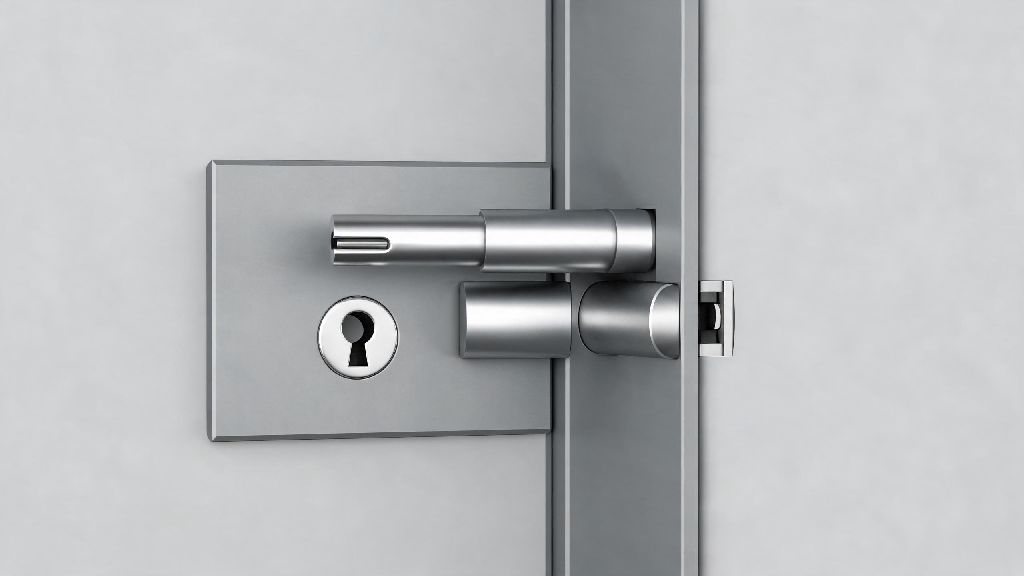
A deadlock door, sometimes called a deadbolt door, is an entry door fitted with a locking mechanism that uses a solid metal bolt to secure the door into the frame, rather than the spring-loaded latch used on standard entry locks. The biggest distinguishing feature is that the bolt can only be moved with a key or intentional turn of a thumb turn from the inside – there’s no spring-loaded component that can be compressed to bypass the lock, which is the weak point of most standard locks.
When you turn the key in a deadlock, the deadbolt mechanism slides 1 to 2 inches into the door frame’s strike plate, creating a rigid connection that can’t be pried open easily. Most deadlock doors come with either a single-cylinder or double-cylinder design. Single-cylinder options use a thumb turn on the inside and a key on the outside, which is convenient for residential use, as you can lock the door quickly when you leave without fumbling for a key.
Double-cylinder designs require a key on both sides, which is a good fit for doors with glass panels, as it prevents intruders from breaking the glass and reaching in to turn a thumb turn. But keep in mind that double-cylinder deadlocks can be a fire hazard in some cases, as you’ll need a key to exit from the inside if the lock is engaged. Many local building codes restrict their use on primary exit doors for this reason, so always check your local regulations before you buy.
Key Benefits of Choosing a Deadlock Door for Your Property
You might be wondering if upgrading to a deadlock door is necessary if you already have a standard lock on your entry door. The short answer is that for most properties, the extra security far outweighs the small additional cost. Here are some of the biggest advantages you’ll get:
For context, recent security industry research shows that 85% of successful home break-ins use force to bypass standard spring locks, and a deadlock door reduces that risk by more than half. I’ve seen this play out firsthand with clients who live in high-crime neighborhoods – those who installed deadlock doors reported far fewer attempted break-ins, even when neighboring properties were targeted.
Another underrated benefit is that many home insurance providers offer discounts of up to 15% on annual premiums for properties with certified deadlock doors installed on all exterior entry points. That means the lock can pay for itself in just a few years through lower insurance costs, on top of the peace of mind it provides.
Common Misconceptions About Deadlock Doors You Should Ignore
For all their benefits, there are a lot of myths floating around about deadlock doors that lead people to make the wrong choice for their property. Let’s break down some of the most common ones.
First, a lot of people believe “deadlock doors are impossible to pick”. That’s not true – no lock is 100% pick-proof, but high-quality deadlocks are far more difficult to pick than standard locks, and most amateur thieves won’t have the skills or tools to get past them in a reasonable amount of time. Most intruders will move on to an easier target rather than spend 10+ minutes trying to pick a deadlock, which makes them a very effective deterrent.
Second, many people assume deadlock doors only work for residential properties. That’s another myth. Heavy-duty commercial grade deadlock doors are extremely popular for small retail stores, office buildings, storage facilities, and even warehouse entry points, as they can stand up to heavy use and forced entry attempts far better than standard commercial locks. Last year, I helped a small café owner replace their standard storefront lock after a late-night break-in where thieves used a crowbar to pop the spring lock open in under 10 seconds. We swapped it for a heavy-duty deadlock door, and they haven’t had a single security issue in the 12 months since.
Third, a lot of DIYers think you can install a deadlock door on any existing frame. That’s only true if your door and frame are thick enough to support the deadbolt mechanism. Most deadlocks require a door that’s at least 1 3/8 inches thick, and the frame needs to be solid wood or metal to hold the strike plate securely. If you have a thin hollow core door or a flimsy metal frame, the deadlock won’t provide much extra security, as a thief can just kick the frame in to bypass the bolt.
How to Choose the Right Deadlock Door for Your Needs
Now that you know what a deadlock door is and why it’s a great security investment, how do you pick the right one for your property? There are a few key factors to consider before you buy.
First, check the ANSI rating of the deadlock. ANSI is the American National Standards Institute, and they grade locks based on their durability and security. Grade 1 is the highest rating, designed for heavy commercial use, and it can withstand 10 strikes of 75 pounds of force without failing. Grade 2 is for light commercial or high-end residential use, and Grade 3 is for basic residential use. For most exterior entry doors, I recommend going with at least a Grade 2 rating, or Grade 1 if you live in a high-crime area or run a commercial property.
Next, decide between single and double cylinder designs. As I mentioned earlier, single-cylinder deadlocks are more convenient for residential use, as you can exit quickly in an emergency without a key, but they’re not ideal for doors with glass panels within 3 feet of the lock. Double-cylinder models are more secure for glass-paneled doors, but make sure you keep a key nearby the door at all times for emergency exits, and check local building codes to make sure they’re allowed.
You’ll also want to pay attention to the construction material. Stainless steel or solid brass deadlocks are the most durable, as they won’t rust or corrode over time, and they’re far more resistant to cutting or drilling than cheaper zinc alloy models. It’s worth spending an extra $20 to $30 for a solid metal deadlock, as the cheaper ones can be cut through with a hacksaw in just a few minutes.
Finally, decide if you want a smart deadlock. Many modern deadlock doors come with smart features like keyless entry, app control, and integration with your home security system. These are great if you often forget your keys, or if you need to give temporary access to cleaners, contractors, or family members without copying physical keys. Just make sure any smart deadlock you choose still has a physical key override, so you can still get in if the battery dies or the system malfunctions.
So if you’ve been weighing upgrades to your property’s entry security, a deadlock door is one of the most cost-effective, reliable investments you can make. It’s far more secure than standard spring locks, lasts for decades with minimal maintenance, and can even lower your home insurance premiums over time. Just make sure you pick the right rating, design, and material for your specific needs, and hire a professional installer if you don’t have experience fitting locks, to make sure it’s installed correctly and provides the maximum possible security.