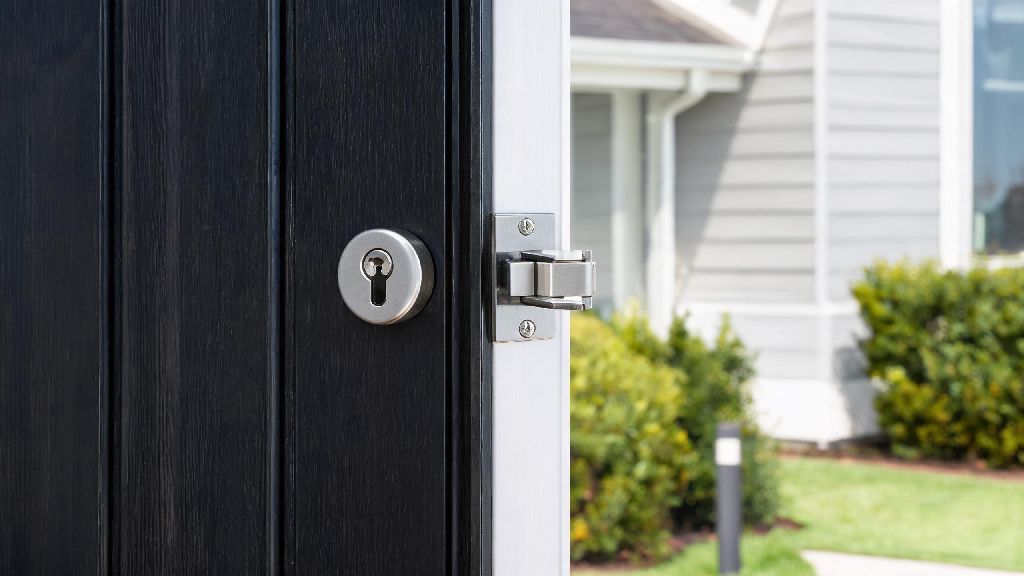
If you’ve started shopping for new door hardware for your 2026 home renovation or security upgrade, you’ve probably seen deadlocks listed as one of the top recommended products for exterior entry points. Many first-time homeowners aren’t sure what is a deadlock on a door, or how it differs from the standard lock that comes pre-installed on most new construction doors. Even if you already have a lock on your front door, adding a deadlock can cut your risk of a break-in by nearly 60% according to 2026 home security industry data, so it’s worth taking the time to understand how these devices work. You don’t need to be a security expert to pick the right one, either, as long as you know what features to prioritize.
What is a Deadlock on a Door, Exactly?
At its core, a deadlock is a type of locking mechanism that doesn’t use a spring to hold the bolt in place. That means it can’t be pushed or jimmied out of position with a flat tool like a credit card, which is the most common trick used by opportunistic burglars to get past standard spring locks. The two most common types you’ll see in 2026 are single cylinder deadlocks and double cylinder deadlocks. Single cylinder models use a key on the outside and a twist knob on the inside, so you can unlock it quickly without a key if you’re inside the home. Double cylinder models require a key on both sides, which stops intruders from breaking a nearby window and reaching in to turn the lock. If you’re still confused about what is a deadlock on a door vs a regular spring lock, you can test the difference by trying to push the bolt in with your finger when it’s locked. A spring lock bolt will push in easily, while a deadlock bolt won’t move at all.
Key Benefits of Installing a Deadlock in 2026
You might be wondering if adding a deadlock is worth the extra cost, especially if your door already has a built-in lock. The short answer is yes, for most households, the small investment pays off in multiple ways for years to come.
So if you’re on a tight budget, a deadlock is one of the most cost-effective security upgrades you can make for your home. You can pick up a certified model for as little as $20, and installation is simple enough for most people with basic DIY skills to do in an hour. Just make sure you follow the manufacturer’s instructions carefully to avoid gaps or loose fitting that can reduce the lock’s effectiveness.
Common Mistakes to Avoid When Buying a Deadlock in 2026
Not all deadlocks are created equal, and picking the wrong one can leave you with a false sense of security, or even create safety hazards for your household. The first mistake many people make is buying the cheapest model they can find without checking for certifications. You should always look for ANSI Grade 1 certification, which means the lock has passed rigorous testing for forced entry resistance, pick resistance, and durability. Cheaper uncertified locks can be drilled or picked in less than 10 seconds by an experienced burglar, so they’re basically useless for security. Another common mistake is choosing a double cylinder deadlock without considering fire safety risks. If you have kids, elderly family members, or pets living in your home, a double cylinder lock can trap them inside if there’s a fire and they can’t find the key. In many areas, building codes actually ban double cylinder deadlocks on main entry doors for this exact reason, so check your local regulations before you buy. You also need to measure your door thickness and backset before you order, because not all deadlocks fit all door sizes. Most standard doors are 1 3/8 or 1 3/4 inches thick, but if you have a custom door, you might need a special sized lock.
How to Tell If Your Existing Deadlock Is Up to 2026 Security Standards
If you already have a deadlock installed on your door, that doesn’t automatically mean it’s providing the level of security you need. Locks wear out over time, and older models don’t meet the same anti-pick and anti-drill standards that 2026 models do. First, check for a certification stamp on the side of the lock cylinder. If there’s no ANSI Grade 1 or Grade 2 stamp, it’s probably not strong enough to resist a determined intruder. Next, test the bolt by locking the door and trying to wiggle it with your hand. If it moves more than a fraction of an inch, the fit is loose, and it can be pried open more easily. You should also check how far the bolt extends into the door frame when locked. If it’s less than 1 inch, it won’t hold up to a kick or forced entry attempt. Doing an annual deadlock inspection is a simple home maintenance task that only takes 5 minutes, and it can save you from a costly break-in later. If your lock is more than 10 years old, or doesn’t meet the current standards, plan to replace it within the next few months.
Whether you’re moving into a new home or upgrading your existing security setup, understanding what is a deadlock on a door is the first step to making a smart, cost-effective choice for your family’s safety. You don’t need to spend hundreds of dollars to get a high-quality deadlock, but you do need to prioritize certified, well-reviewed models that fit your specific household needs. If you’re not sure how to install it yourself, hiring a local licensed locksmith in 2026 will only take an hour or two, and gives you the peace of mind that it’s fitted correctly to resist break-ins. Even small security upgrades like this make a huge difference in keeping your home and loved ones safe year round.